
Display advertising puts your NYC property listings in front of potential buyers across millions of websites, apps, and platforms. While search ads capture active buyers and social ads engage browsers, display ads build awareness and support your direct response campaigns by keeping your properties visible throughout the buyer’s research journey.
Why Display Ads Matter in NYC Real Estate
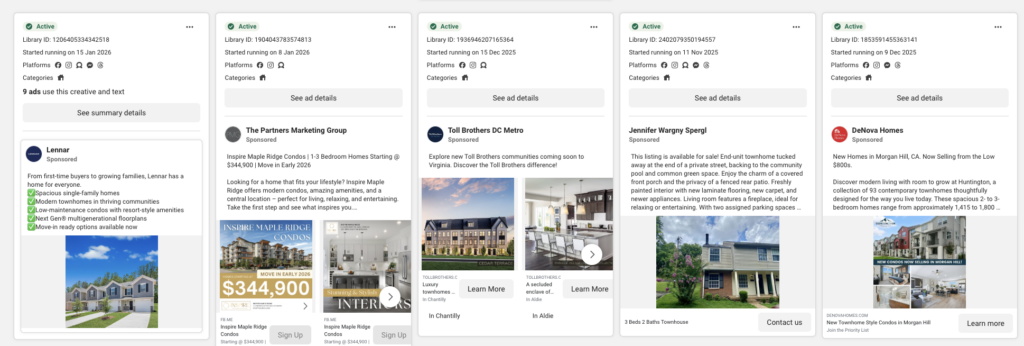
New York buyers research extensively before contacting agents. They visit real estate blogs, read neighborhood guides, check financial planning sites, and browse news portals. Display ads keep your listings visible during this research phase.
Brand recognition drives trust. When buyers see your property multiple times across different sites, it registers as legitimate and worth considering. This repetition matters in a market flooded with listings.
Display complements other channels. Someone might see your display ad while reading The New York Times, then later search for your property specifically on Google, or recognize your listing when it appears in their Facebook feed. Multiple touchpoints increase conversion probability.
Google Display Network Strategy
The Google Display Network reaches over 90% of internet users across millions of websites and apps. This scale makes it essential for NYC real estate visibility.
Start with responsive display ads that automatically adjust size and format to fit available ad space. Upload multiple images, headlines, and descriptions. Google tests combinations and shows the best performers.
Target property-specific placement categories. Real estate websites, financial planning sites, luxury lifestyle publications, and local NYC news sites all attract potential buyers. Add these as managed placements in your campaigns.
Exclude low-quality placements. Gaming apps, questionable content sites, and forums often generate cheap impressions but terrible conversion rates. Review automatic placements weekly and exclude sites that waste budget.
Programmatic Display Advertising
Programmatic platforms buy ad inventory across exchanges in real-time, finding the best placements for your budget automatically.
Platforms like The Trade Desk or StackAdapt offer advanced targeting for real estate. These go beyond basic demographics to target based on purchase intent, recent life events, and financial behaviors.
Use first-party data for targeting. Upload your CRM contact lists to create audiences of people similar to past buyers. Programmatic platforms find others who match those profiles across their networks.
Set frequency caps to prevent oversaturation. Three to five impressions daily per user keeps your listing visible without annoying prospects. Excessive frequency burns budget and damages brand perception.
Premium Publisher Placements
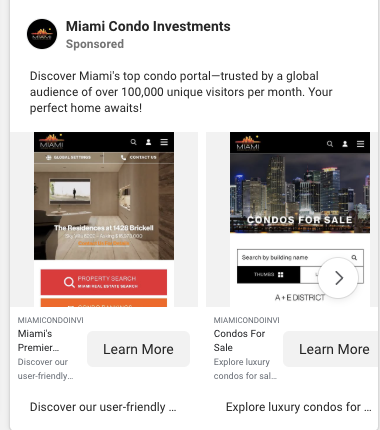
Direct buys on high-quality sites cost more but deliver qualified eyeballs. NYC buyers read specific publications where display ads perform exceptionally well.
The New York Times offers real estate-specific ad packages targeting their readership of affluent, educated professionals. Placements in real estate sections or neighborhood guides reach active house hunters.
Curbed NY, The Real Deal, and StreetEasy accept display advertising. These sites attract serious NYC real estate shoppers. One impression here beats ten on random blogs.
Local neighborhood blogs and news sites work for area-specific targeting. Targeting Tribeca Citizen for a Tribeca listing or Park Slope Parents for a Brooklyn family home reaches hyper-relevant audiences.
Creative That Drives Action
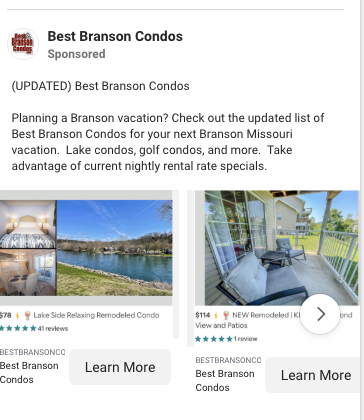
Use high-resolution property photos. Display ads are often small, so images must look sharp even at 300×250 pixels. Blurry or pixelated images kill credibility instantly.
Include essential information in the creative itself. Price, bedrooms, bathrooms, and neighborhood should be visible without clicking. Buyers scroll quickly and won’t click without knowing basics.
Create urgency without desperation. “Just Listed” or “Open House This Weekend” works better than “Price Reduced” or “Must Sell.” The first signals opportunity, the second signals problems.
Test animated HTML5 ads against static images. Animation captures attention in crowded layouts. A subtle animation showing different property rooms often outperforms static images by 30% to 50% in click-through rates.
Contextual Targeting for NYC Buyers
Contextual targeting places ads on pages related to specific topics. This reaches people actively researching relevant subjects.
Target pages about NYC neighborhoods. Someone reading about Williamsburg coffee shops or Upper West Side schools is likely considering those areas for residence.
Financial planning and mortgage content attracts buyers preparing to purchase. Place ads on pages discussing home loans, down payments, or real estate investment strategies.
Corporate relocation and career sites reach people moving to NYC for work. Target content about NYC jobs, companies hiring, or relocation guides.
Luxury lifestyle content attracts high-net-worth buyers. Fashion, fine dining, luxury travel, and premium automotive content often reaches people who can afford expensive NYC properties.
Audience Targeting Strategies
Demographic targeting narrows your audience to qualified buyers. For luxury NYC properties, target household incomes above $200,000. For ultra-luxury above $3 million, push income filters to $500,000+.
In-market audiences on Google identify people actively researching real estate purchases. These audiences browse listings, search for neighborhoods, and visit mortgage sites regularly. They’re prime targets for display campaigns.
Affinity audiences reach people with established interests. “Real Estate Enthusiasts” or “Luxury Travelers” indicate lifestyles compatible with high-end NYC properties.
Life event targeting captures major transitions. People who recently got married, had children, received promotions, or relocated represent fresh buying opportunities.